

Survival Guide to Managing Your Time
(from a fellow procrastinator)

Picture this...
Your alarm goes off bright and early tomorrow morning.
You’re already exhausted for the day to come because you’ve been tossing and turning all night.
Images of emails flooding your inbox, tasks filling your to-do lists, sticky notes covering any available surface, and meetings filling your calendar spun through your head for yet another night in a row.
And so… you hit snooze because it’s too overwhelming to even know where to start.
Feeling familiar yet? Is the all too familiar tension headache setting in? Don’t worry – this blog is for you!

Now, I could go on to list all the amazing tools and resources that are out there to help you manage your time, organize your calendar, and maximize your efficiency (and I totally could! Let me know in the comments below if this is something you’d be interested in), but instead I want to talk about how to integrate a system that works for you based on your current working habits and struggles.
I get it – we’ve all been there. You look at that endless to-do list, and the only thing you feel like doing is hiding under the covers. But here’s the thing: managing your time doesn’t have to be an all-or-nothing approach. It’s not about overhauling your life in one fell swoop. It’s about making small, manageable tweaks that fit your style.
So, here are a few tips (from one procrastinator to another) that have helped me take control of my time, without feeling like I need to suddenly become a productivity superhero.
1. The 5-minute rule
This one’s a game changer. If a task can be done in five minutes or less, do it right now. The email you’ve been putting off, that quick Teams message, or cleaning up your workspace—these are the things that linger in the back of your mind and pile up into that mountain of “stuff” that becomes overwhelming. When you start chipping away at these little things, you’ll feel lighter and more accomplished, making it easier to tackle the bigger tasks.
2. Break It Down (Like, Really Break It Down)
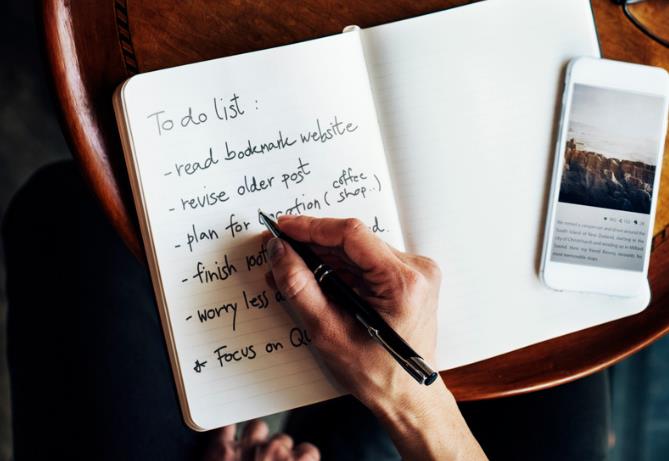
When tasks feel big, they can be paralyzing. So, break them down into ridiculously small steps. Instead of “finish the presentation,” it becomes “open PowerPoint,” “find the first image,” or “write a title slide.” When tasks are smaller, they seem more doable, and you’ll find that getting started becomes a whole lot easier. Plus, crossing off more items on your list will give you that sweet dopamine hit we all need to stay motivated.
3. Prioritize Your Energy, Not Just Your Time
Some days, you’re fired up and ready to tackle the world. Other days, getting off the couch feels like a win.
Instead of beating yourself up on the low-energy days, work with it! On high-energy days, focus on the challenging stuff that takes brainpower, like planning, writing, or decision-making.
On days when you’re feeling a little off, tackle those lower-effort tasks, like organizing files or responding to emails. The key is to listen to yourself and adjust your workload based on your energy levels.
4. Time Blocking Is Your Friend
Ever feel like the whole day is slipping away because you keep bouncing between tasks? Time blocking helps. Dedicate specific time slots to specific tasks—whether it’s answering emails, working on a project, or even taking a break.
By creating structure, you avoid that constant back-and-forth and keep your mind focused on one thing at a time.
5. Be Kind to Yourself
If you’re a procrastinator, chances are you’re pretty hard on yourself when things don’t get done. But that self-criticism only adds to the overwhelming weight on your shoulders (a massage would be nice right now, wouldn’t it?).
It’s okay if everything doesn’t get done perfectly, and it’s okay if you fall behind sometimes. Instead of focusing on what didn’t happen, celebrate the wins—no matter how small. You answered that one email? Win! You crossed off a few to-dos? Win!

6. End the Day with a Plan
Before you log off, take five minutes to jot down what you need to do tomorrow. That way, when the next day starts, you won’t have to waste time figuring out where to start—you’ll already have a roadmap. Plus, it helps keep the “I don’t know where to begin” panic at bay.
Final Thoughts
Managing your time doesn’t have to be a battle. It’s all about finding what works for you—without overwhelming yourself in the process. Start small, stay flexible, and most importantly, give yourself grace. You’ve got this! And remember, it’s okay to hit snooze sometimes… just as long as you eventually get out of bed! 😊
Now go out there and conquer that to-do list, one small step at a time!