
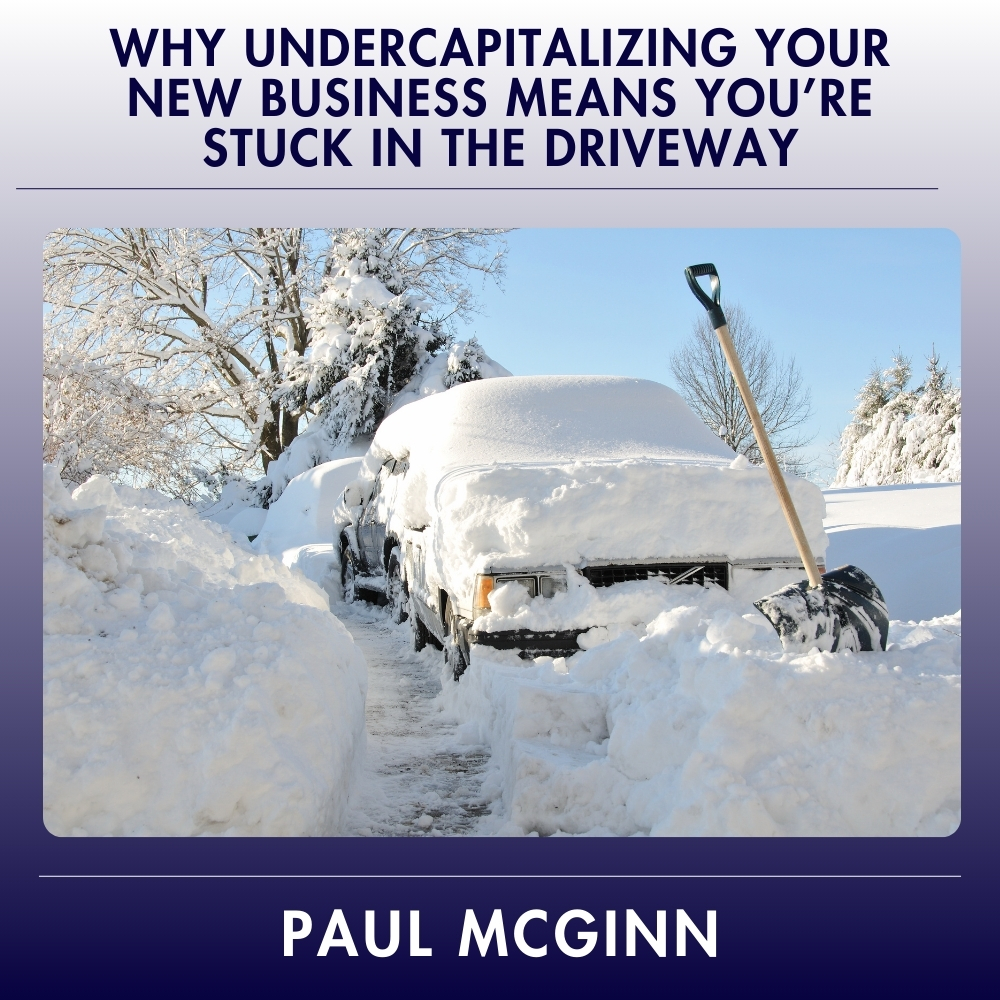
Why Undercapitalizing Your New Business Means You’re Stuck in the Driveway
Starting and growing a new business is an exciting and winding journey, that can also be fraught with challenges, especially when it comes to securing enough capital. As with any journey, you need to prepare and don’t forget to gas up the car. If your business is the car, then cash is the gas.
Undercapitalization is a critical issue that can affect small businesses in a variety of ways. Whether you’re struggling with cash flow, inventory management, or marketing, a lack of funds can stifle growth and prevent you from realizing your business’s full potential. It can even lead to business failure.
A business loan can provide the capital needed to overcome these hurdles, ensuring you can pay bills on time, promote your business, and stock inventory. With the right financing, you can strengthen your position in the local market, compete with larger businesses, and set the stage for long-term success. If your business is struggling with undercapitalization, consider how a loan might be the key to unlocking the first phase, or the next phase, of your growth and securing a brighter future for your small business.
It’s a Common Problem
One of the most common and often devastating issues that new businesses face is undercapitalization, or the lack of sufficient financial resources to cover its initial operational costs, payroll, inventory, or other essential expenses. Whether you’re opening a local café, a family-owned hardware store, or a boutique, being undercapitalized can lead to cash flow problems, missed opportunities, and even business failure.
Small businesses are particularly vulnerable to undercapitalization because they often operate with slim profit margins, relying on steady cash flow to stay afloat. Without enough capital to handle the day-to-day needs of the business and unexpected challenges, undercapitalization can quickly lead to serious financial strain.
Why Undercapitalization is a Major Problem for Small Businesses
1. Difficulty Covering Operating Expenses
For small businesses, cash flow can be unpredictable, especially in the early months or years. If you’re a local restaurant or coffee shop, for example, you might see higher sales during holidays but slower business during off-peak months. Without enough capital to cover expenses in the slow periods, a small business can fall behind on rent, utilities, or employee wages. Late payments or inability to pay bills can hurt vendor relationships and damage your reputation in the community.
2. Limited Ability to Market and Attract New Customers
Marketing is key to building brand awareness and attracting customers, but it requires investment. Whether it’s funding local advertising, launching a social media campaign, or hosting community events, small businesses need marketing dollars to grow. Undercapitalization limits your ability to promote your products or services effectively, which can stifle growth and prevent you from reaching potential customers in your community.
3. Challenges with Inventory and Stock Management
If you’re in retail or hospitality, having the right inventory at the right time is critical. Undercapitalized businesses may not be able to purchase enough stock to meet customer demand or maintain a diverse product offering. Whether it’s your local pet store or a small clothing shop, a lack of inventory can result in missed sales opportunities, customer frustration, and lower profit margins.
4. Limited Capacity to Handle Unexpected Expenses
Small businesses can face unexpected challenges such as broken equipment, repairs, or sudden increases in supply costs. Without a financial cushion, it’s hard to absorb these extra expenses. If you’re a local diner and the stove breaks down, or your HVAC system fails in the middle of summer, those repairs can eat into profits, leaving little room for regular operational needs.
5. Inability to Compete with Larger Businesses
Many small businesses struggle to compete with larger chain stores or online retailers that have more capital to invest in bulk buying, marketing, and technology. Undercapitalization makes it difficult for small businesses to show their value, improve their offerings, or invest in customer experience improvements that would help them stand out in the market.
A Simple Solution
A business loan is a way to overcome this common obstacle. With the right financial backing, small businesses can weather the initial storm, invest in growth, and build a foundation for long-term success. Whether you’re starting up or expanding, when your business is undercapitalized, a business loan can provide the lifeline you need to avoid these issues and set your business on a path to stability and growth.
How CEED’s Startup and Expansion Loan Can Help
For over 25 years, CEED has connected entrepreneurs with the resources required to help fund their ventures. CEED’s Startup & Expansion Loans lay the groundwork for you to take the next step with your idea or enterprise. Our business loan offers:
• Up to $50,000
• Flexible payments
• Low interest rate of BoC + 2%
• No penalty for early repayment
• No interest for 6 months
These loans are more than just a cheque. CEED’s Startup and Expansion Loans are a lifeline providing ongoing support and wisdom throughout your business journey. Book your free consult with one of our loans advisors to find out how you can start your journey on the right foot: Click HERE to Book Your Free Discovery Call